Best Camera Lenses for Sony APS-C Mirrorless Camera
If you search the best camera lenses for Sony APS-C mirrorless camera. You probably asking yourself. Which lens should buy? What local length do I need? Why do some lenses cost more? How do I choose the right one for my photography style?
In this detailed. I will you step by step through:
- What APS-C means
- Why lens choice is critical
- Which lenses are best for portraits landscapes, travel, wildlife and video
- How I personally decide which lens to use
- What mistakes to avoid
- How to choose confidently without wast money
What Is a Sony APS-C Mirrorless Camera?
You Choose the lenses.
what is APS-C means.
APS-C refers the sensor size inside your camera. It’s smaller than a full frame sensor but larger than most smart phone sensors. You can learn more about sensor sizes on Sony’s APS-C lineup includes popular models:
A Sony Alpha a6700
A Sony Alpha a6400
A Sony Alpha a6600
Why Sensor Size Matters
APS-C cameras have a 1.5x crop factor.
What does that mean?
If your use a 50mm lens:
- On full frame → It behaves like 50mm
- On APS-C → It behaves like 75mm
This changes your photos look especially for portraits and wildlife.
How I Choose the Best Camera Lenses for Sony APS-C Mirrorless Camera
Choose the right lens depends on one thing: What do you shoot?
When I choose a lens:
- What am I photographing?
- Where will I shoot? Indoors or out doors?
- I need background blur?
- I need zoom flexibility?
- How much weight am I willing to carry?
Different photography styles require different lenses.
Types of Lenses You Should Know
Before we talk about lens categories.
1. Prime Lenses
More background blur (bokeh)
Fixed focal length
Usually sharper
Better in low light
Lighter weight
2. Zoom Lenses
Slightly heavier
Adjustable focal length
More flexible
Great for travel
3. Wide Angle Lenses
Great for vlogging
Capture more scene
Ideal for landscapes
4. Telephoto Lenses
Best for wildlife and sports
Zoom in from far distance
5. Macro Lenses
- Extreme close ups
- Great for products photography
Now let is look at the actual lens options.
Best Standard Zoom Lens for Everyday Photography
You asks me:
“I want one lens that can almost everything. What should I buy?”
I recommend a standard zoom lens.
Popular Option:
Sony E 18-135mm f/3.5-5.6 OSS
Why I like it:
- Wide to telephoto range
- Good for travel
- Built in image stabilization
- Lightweight for its range
I is perfect if you:
Want flexibility without switching lenses
Travel often
Shoot family events
Best Prime Lens for Portraits
If you love background blur and sharp faces. You need a fast prime lens.
Excellent Choice:
Sony E 50mm f/1.8 OSS
Why works beautifully on APS-C:
Affordable
50mm becomes 75mm equivalent
Perfect portrait compression
Creamy bokeh
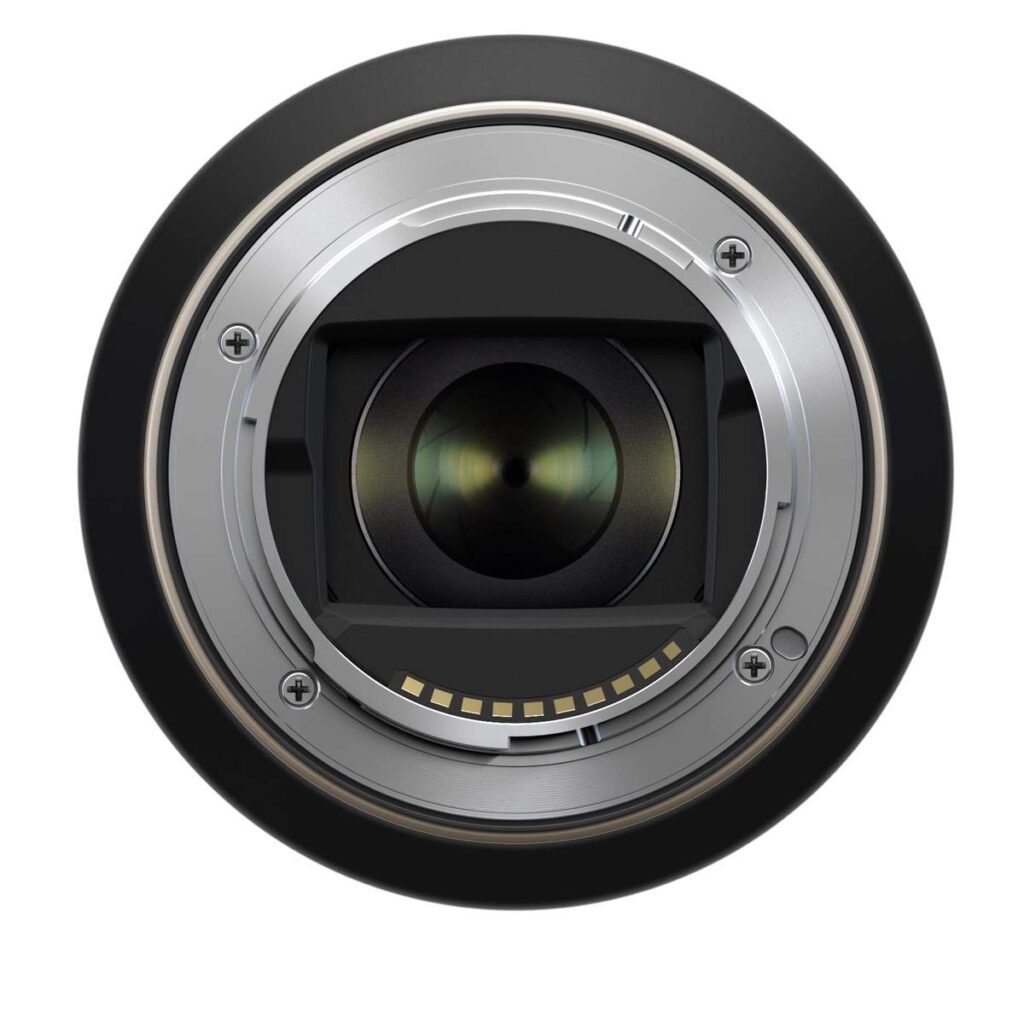
Best Wide Angle Lens for Landscapes & Vloging
When shooting landscapes or YouTube videos we need wider coverage.
Top Pick:
Sony E 11mm f/1.8
Why it’s amazing:
- Ultra wide field of view
- Great for vloging
- Lightweight
- Excellent sharpness
If you shoot YouTube content this lens is a game changer
Best Telephoto Lens for Wildlife & Sports
“How do I photograph birds or sports from far away?”
You need reach.
Reliable Option:
Sony E 70-350mm f/4.5-6.3 G OSS
- Excellent zoom reach
- Lightweight for its class
- Sharp results
- Built in stabilization
For APS-C users this lens gives serious zoom power.
Best Budget Lens
Don’t spent to overspend:
Budget Favorite:
Sony E 35mm f/1.8 OSS
Why is ideal:
- Sharp
- Lightweight
- Excellent in low light
- Natural perspectives
This is my personal “walk around” lens.
What Focal Length Should You Choose?
| Photography Type | Recommended Focal Length |
| Portraits | 50mm |
| Landscapes | 10mm to 20mm |
| Travel | 18 to 135mm |
| Wildlife | 200mm+ |
| Street | 35mm |
Remember the 1.5x crop factor.
Aperture Explained Simply
Aperture affects:
- Light entering the camera
- Background blur
Lower number (f/1.8):
- More blur
- Better low light
Higher number (f/5.6):
- Less blur
- Needs more light
You want creamy background choose f/1.8 or f/1.4 lenses
Should You Buy Sony or Third Party Lenses?
Sony lenses are excellent but brands like Sigma and Tamron also make great E-mount lenses.
Advantages of Sony:
- Perfect compatibility
- Strong autofocus integration
Advantages of third party:
Unique focal lengths
Often cheaper
Excellent sharpness
Common Mistake for Beginner
Let me help you avoid expensive mistakes:
Buying only based zoom range
Ignoring weight
Choosing lenses without image stabilization
Forgetting crop factor
Overspending on features you won’t use
How I Personally Build My Lens Kit
If fresh with a Sony APS-C mirrorless camera:
- 35mm prime (everyday use)
- 11mm wide (vlogging & landscape)
- 73 to 50mm telephoto (wildlife)
This covers almost everything.
Best Camera Lenses for Sony APS-C Mirrorless Camera
- What do I shoot most?
- I need background blur?
- Will I travel with this?
- How much weight can I carry?
- What is my budget?
Answer these honestly and your choice becomes clear.
FAQ – People Also Ask
1. What is the best all around lens for Sony APS-C mirrorless camera?
A versatile zoom like the Sony 18-135mm is ideal for most all us .
2. Are full frame lenses compatible with Sony APS-C cameras?
Yes. But they may be heavier more expensive than necessary.
3. Is a prime lens better than a zoom lens?
Primeum lenses offer better sharpness and low light performance. While zoom lenses offer flexibility.
4. Which lens is best for YouTube videos on Sony APS-C?
An ultra wide lens like 11mm works best for vlogging
Choose the best camera lenses for Sony APS-C mirrorless camera. When I started a focused too much on specs. Now I focus on purpose.
- What you love to shoot
- Where you shoot
- How often you shoot